Sitemap submitted but pages not indexed: what to check
Separate submission, sitemap processing, crawling and indexing. A practical diagnostic sequence with an observed example from this website.
 Written byMohamed Alkhaldi
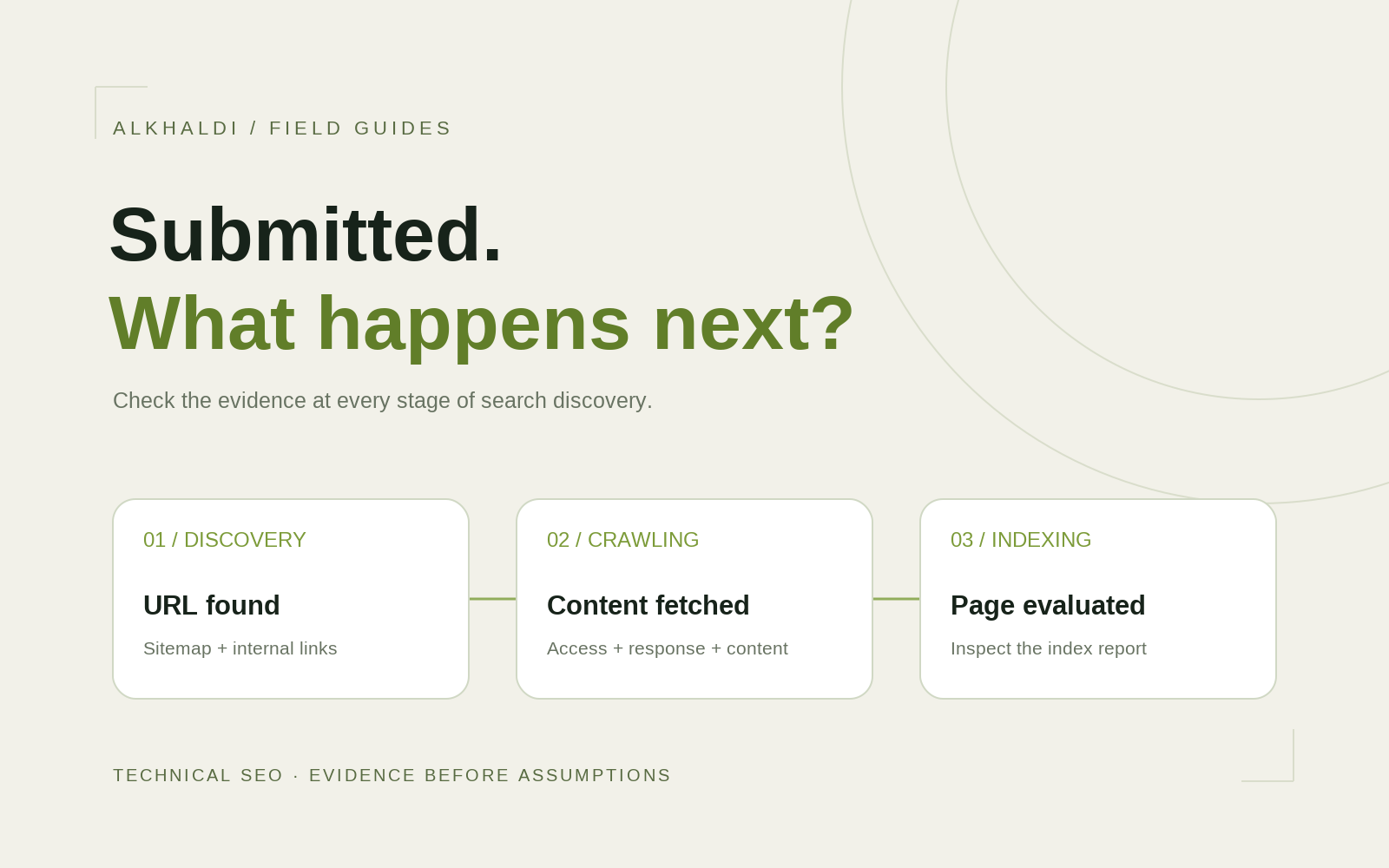
“Sitemap submitted successfully” confirms receipt of a request. You still need to know whether the search engine read the file, discovered its URLs, crawled the pages and selected them for indexing. A submission button or an internal readiness score cannot stand in for those separate stages.
Read the processing result
In Search Console's Sitemaps report, check the status, last-read date and discovered-page count. Google's sitemap documentation explains that a sitemap supports discovery without guaranteeing crawling or indexing. If fetching failed, open the details before rewriting the pages.
Record the time, exact URL and reported state. This small operational record helps compare before and after a change, particularly when an error is intermittent.
Diagnose access and redirects
Start with the sitemap URL. Is the response XML, a login page or a browser-verification screen? Does a redirect reach a final destination or return to the same path? Check HTTPS, the hostname and any difference between www and the apex domain. Google's HTTP status documentation explains that a 200 response does not guarantee indexing and that a redirect's final content is what the crawler processes.
When a CDN is involved, compare the public response with the origin using an appropriate diagnostic method. Do not expose the origin or disable security indiscriminately. Save the timestamp and request identifier for the hosting investigation. A page working in your browser does not establish crawler access; a failed automated request does not establish that every Google crawler is blocked either.
An observed example from this website
On 22 October 2026, Search Console reported HTTP 307 while reading this website's sitemap, while the origin returned 200. CDN settings were reviewed, the country-access policy was corrected, the cache was purged and the sitemap was resubmitted. The next verified result was Success with 92 discovered pages. These steps do not isolate a single cause; the result establishes successful sitemap processing in that check.
A live test of the business-consulting page then reported “URL is available to Google”, and an indexing request was accepted. That establishes access and a processing request, not a search appearance or ranking. The sitemap count can change as new content is published.
Inspect a representative page
Choose an important service URL. Compare the indexed-version report with the current live test in URL Inspection, and review crawling availability and the tested content. Google's URL Inspection guidance notes that a successful live test does not guarantee indexing or check every condition for appearing in search.
Review page directives as well. Was noindex accidentally left on production? Does robots.txt prevent crawling of the path? Blocking crawling is not a substitute for removing a page from the index: Google's noindex documentation explains that Google must be able to crawl the URL to read the directive.
Review the page's purpose and internal links
After ruling out access problems, ask what distinct question the page answers, how it differs from related pages, and whether visitors can reach it from navigation or relevant content. Review its title, description, canonical and language counterparts. Putting a target phrase in the heading does not fix an incomplete or repetitive page.
Keep a review record with the URL, purpose, status, evidence, change and retest result. Diagnose low clicks separately from indexing. An indexed service page may need a clearer offer or a better match to the query, rather than another sitemap submission.
When to request a technical review
Repeated redirects or conflicting browser, origin and search-engine results are a reason for a technical SEO review covering hosting, server rendering and canonical URLs. CDN and deployment issues may also need server-management support. The aim is an evidenced diagnosis and a verified change, not a promise of first place.
Share your goals and the current stage of your project so we can define the next step.
CTO and full-stack engineer building products since 2016, with seven years in digital marketing. Works across SaaS, ERP, AI integration and technical SEO; has mentored more than 50 developers.
Keep reading
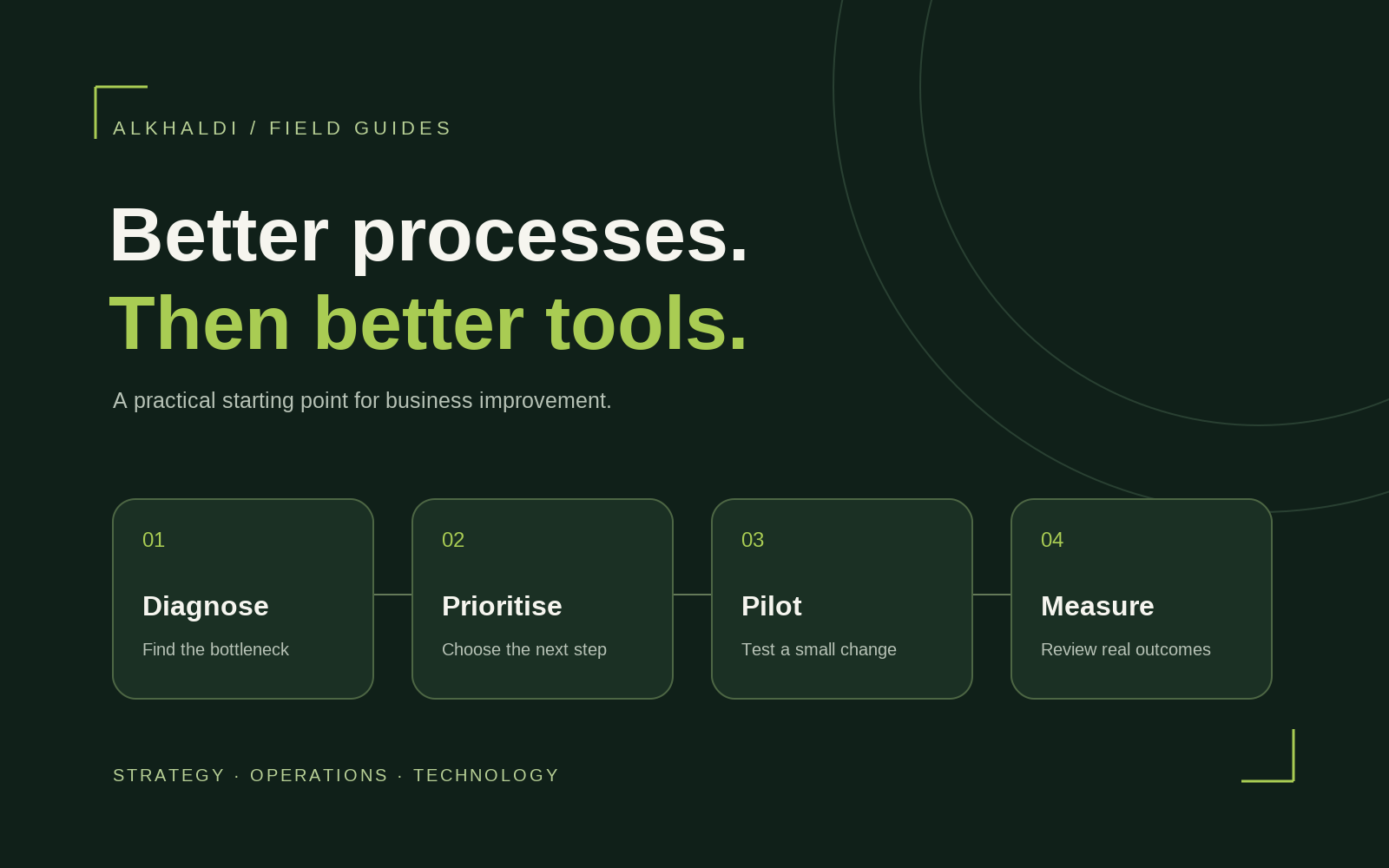 Business improvement: what to fix before buying software
Map an enquiry from arrival to delivery, identify the bottleneck, and choose a small measurable improvement before committing to new software.
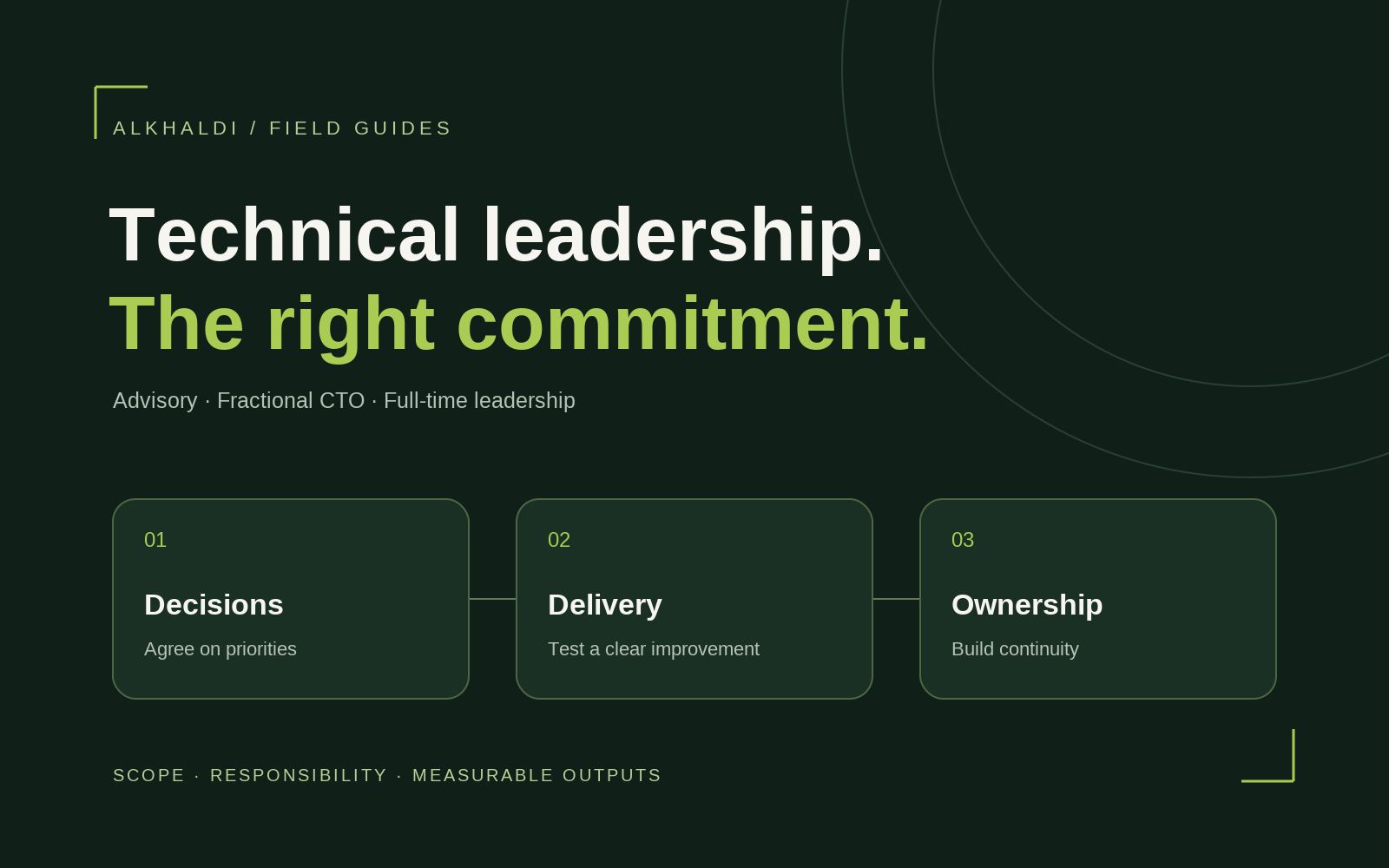 When does your company need a fractional CTO?
Distinguish a leadership gap from a delivery-capacity gap, compare advisory and full-time options, and prepare a first-month review with clear outputs.
 Choosing a tech stack: a practical guide before development
Start with workflows, team skills and integrations, then test the riskiest assumptions before choosing a tech stack for your platform or business system.