Business improvement: what to fix before buying software
Map an enquiry from arrival to delivery, identify the bottleneck, and choose a small measurable improvement before committing to new software.
 Written byMohamed Alkhaldi
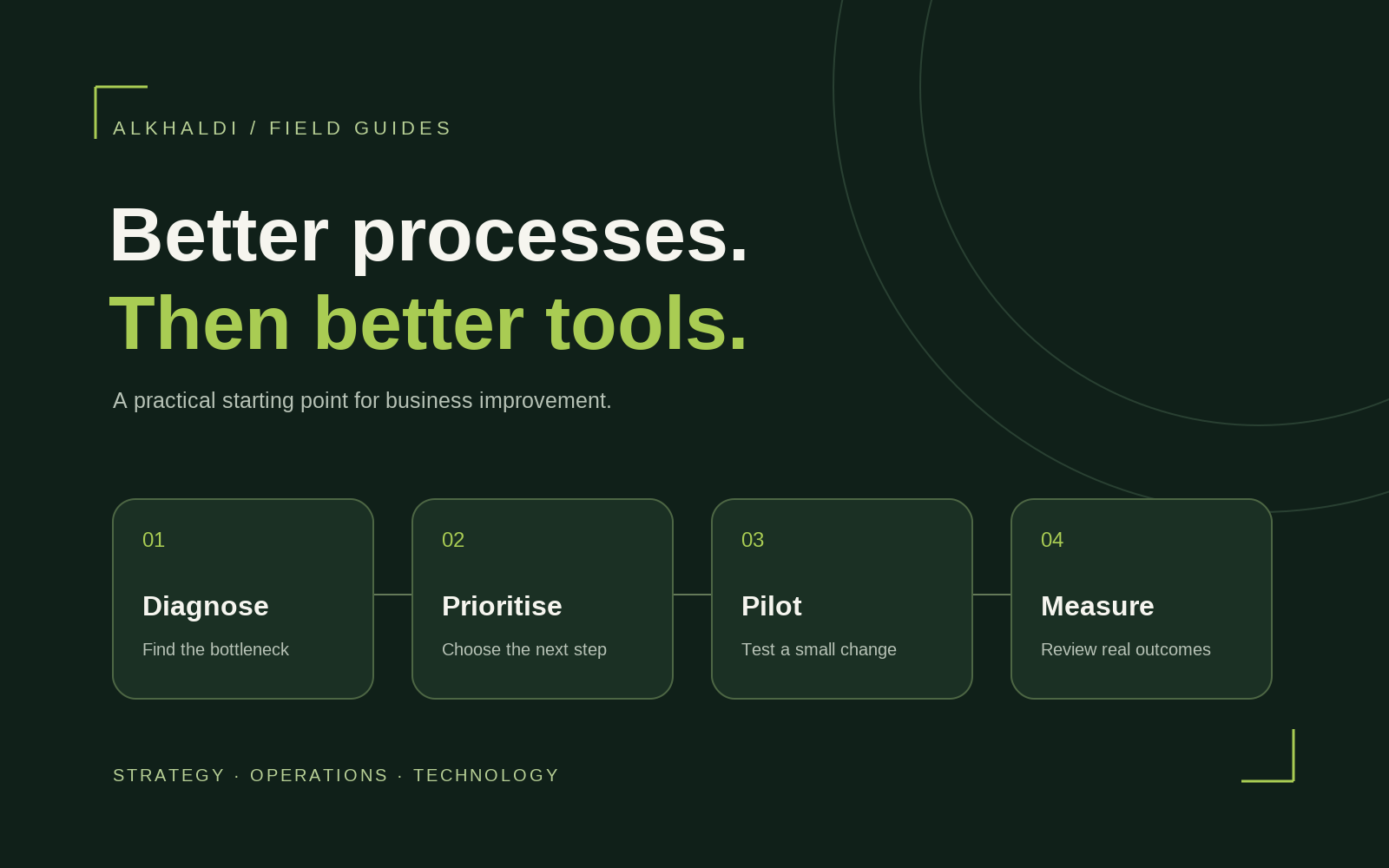
Buying software is not the only starting point for business improvement. When nobody owns the next step in an enquiry, a new tool can simply put the same confusion on a better-looking screen. This guide offers a way to diagnose the work before choosing a solution, whether you operate a service company, a store or an established brand.
Start with one customer outcome
Describe an observable improvement: every qualified enquiry receives a clear proposal, or every customer knows the delivery date and order status. “Digital transformation” is too broad to settle priorities. Choose one journey, a responsible team and a clear definition of completion.
Follow a recent sample of completed, delayed and lost requests. Avoid collecting unnecessary personal data. An internal request reference, source, stage timestamps, owner and delay reason are usually enough for an initial workflow review. Use the sample to test management's assumptions rather than treating those assumptions as evidence.
Map the request before designing the screen
A service business might start with enquiry, qualification, meeting, proposal, approval, delivery and follow-up. For each stage, record the owner, required input, acceptable output and escalation condition. Adapt this sequence to the actual business instead of imposing a generic template.
Hypothetical example: enquiries arrive through WhatsApp and the website, but proposals wait for one person to approve prices. A CRM can expose the delay; it cannot remove that dependency by itself. A useful first change might be clear approval limits and a proposal template, with the system recording decisions and notifying the owner.
Classify the problem before choosing a service
- Unclear ownership calls for explicit roles and delivery steps.
- Repeated data entry calls for reviewing data quality and integrations before automation.
- Traffic without suitable enquiries calls for reviewing the offer, landing page and acquisition source.
- A gap between advertising promises and delivery calls for a shared service definition across marketing and operations.
Business consulting connects diagnosis with priorities. ERP and CRM development implements a defined operational or sales requirement. Brand strategy addresses positioning, messaging and the customer experience. These needs can overlap without being interchangeable.
Use a short decision record
For each proposed change, record the problem, evidence, expected impact, effort, dependencies and owner. Keep estimates visibly uncertain. If the problem has not been measured, write “baseline needed” instead of inventing an improvement percentage. Prefer a change you can test and reverse before migrating data or replacing a functioning system.
The first priority might be a qualification form, a daily proposal approval window or a reminder for unassigned enquiries. Rebuilding a system may be justified, but the decision needs specific reasons, migration costs and a recovery plan; an ageing interface alone is not enough.
Run a bounded pilot
Choose one team or request type for a pilot lasting long enough to reflect your sales or delivery cycle. Record a baseline, then compare similar requests. Useful measures include first-response time, time to prepare a proposal, unassigned requests and rework. Sample size, campaigns and seasonality can affect the comparison.
A WhatsApp click is not a qualified lead, and a visit is not a sale. Connect website indicators with verified follow-up outcomes without sending customer messages or personal details to analytics platforms. Consider workflow automation after the process is stable and the exceptions requiring human review are understood.
Prepare for a useful consulting session
Bring a business description, the current request journey, the tools in use, one priority problem and two anonymised examples. Identify the decision-maker and the person who will implement changes. A useful diagnostic output is a prioritised action list with owners and a measurable next step. Implementation scope, timing and fees follow the review.
For a connected review of operations, technology and marketing, explore business consulting and company development.
Share your goals and the current stage of your project so we can define the next step.
CTO and full-stack engineer building products since 2016, with seven years in digital marketing. Works across SaaS, ERP, AI integration and technical SEO; has mentored more than 50 developers.
Keep reading
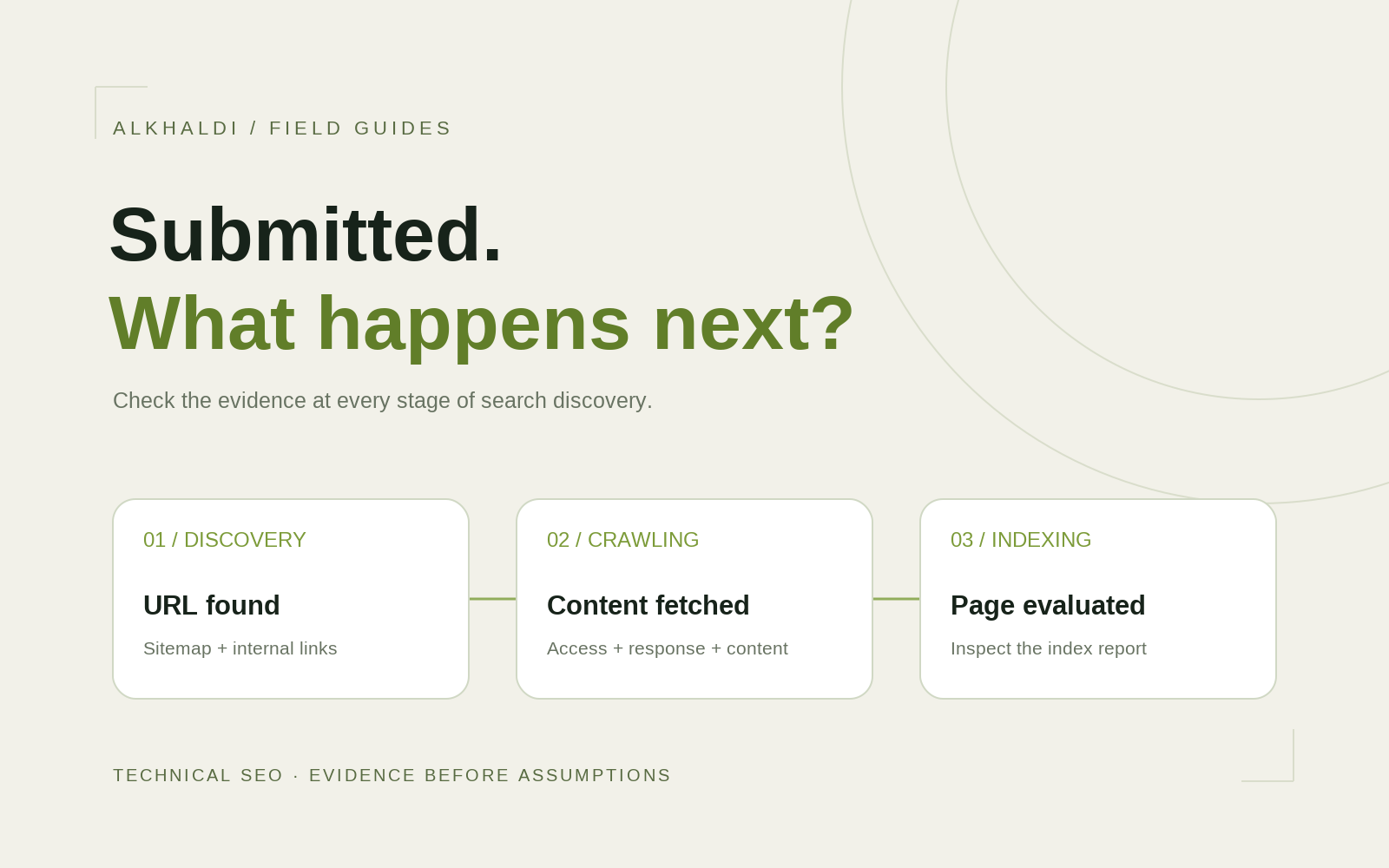 Sitemap submitted but pages not indexed: what to check
Separate submission, sitemap processing, crawling and indexing. A practical diagnostic sequence with an observed example from this website.
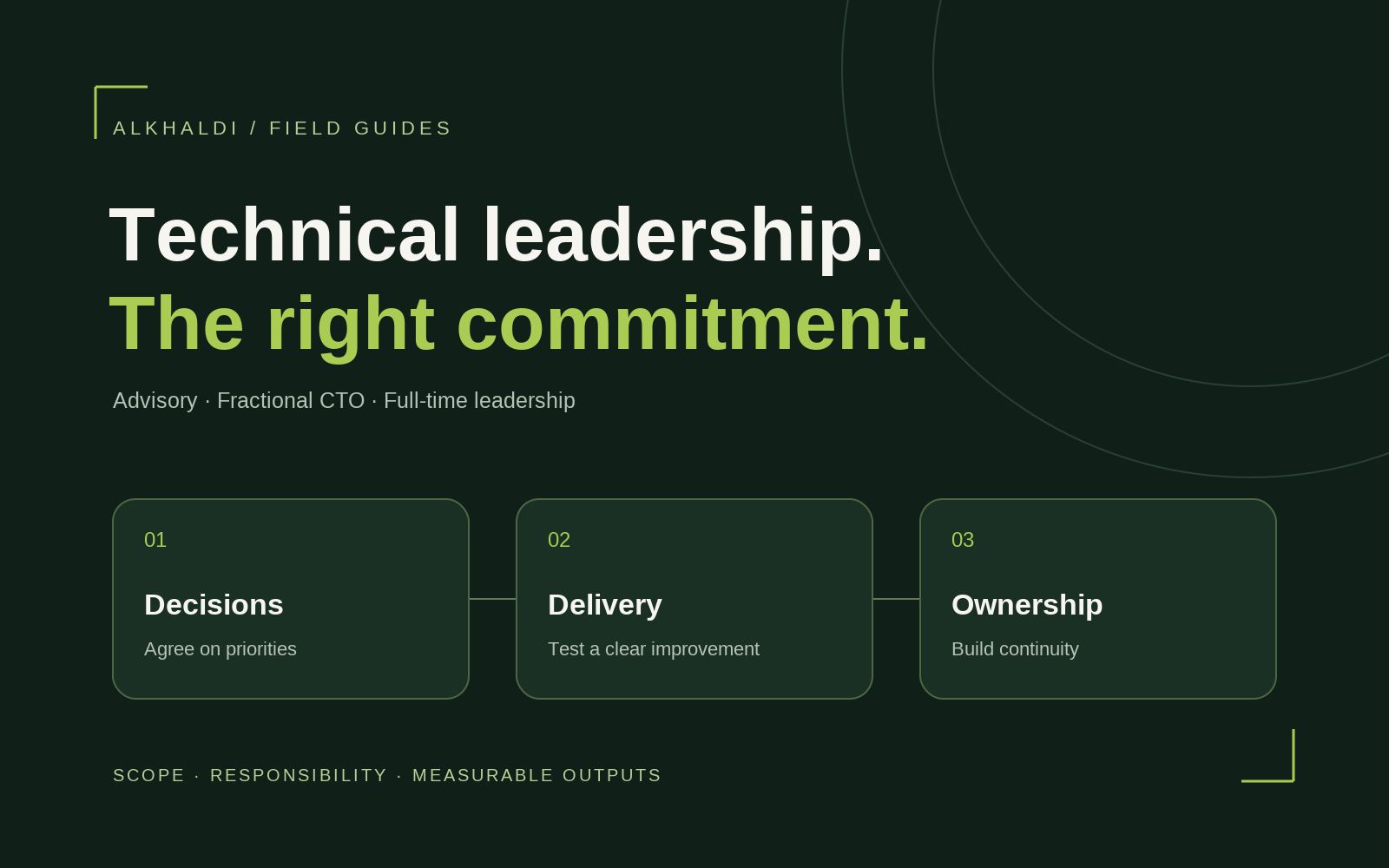 When does your company need a fractional CTO?
Distinguish a leadership gap from a delivery-capacity gap, compare advisory and full-time options, and prepare a first-month review with clear outputs.
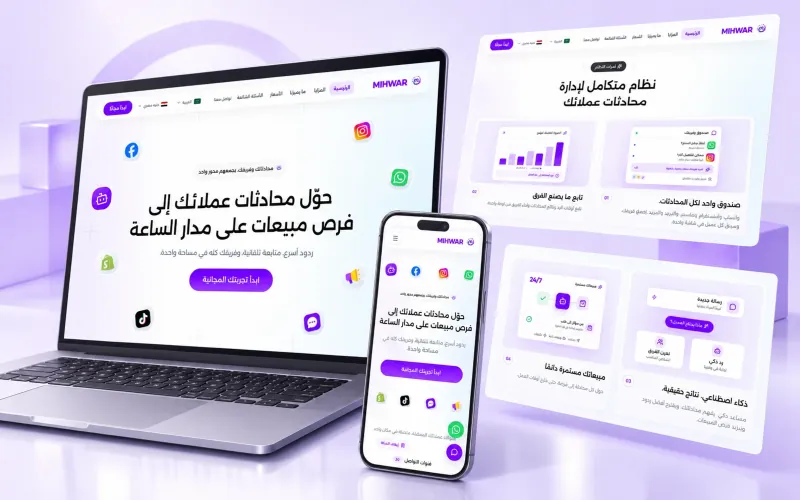 Choosing a tech stack: a practical guide before development
Start with workflows, team skills and integrations, then test the riskiest assumptions before choosing a tech stack for your platform or business system.